West Sussex · 29.7 miles from Crawley by road

Rooflights and skylights in Worthing

Worthing grew from merged villages between the Channel and the Downs, and its roofs differ street by street. We survey the roof, listen to the room, and fit the rooflight or skylight that suits it.

Get a quote What is a quiet spec?

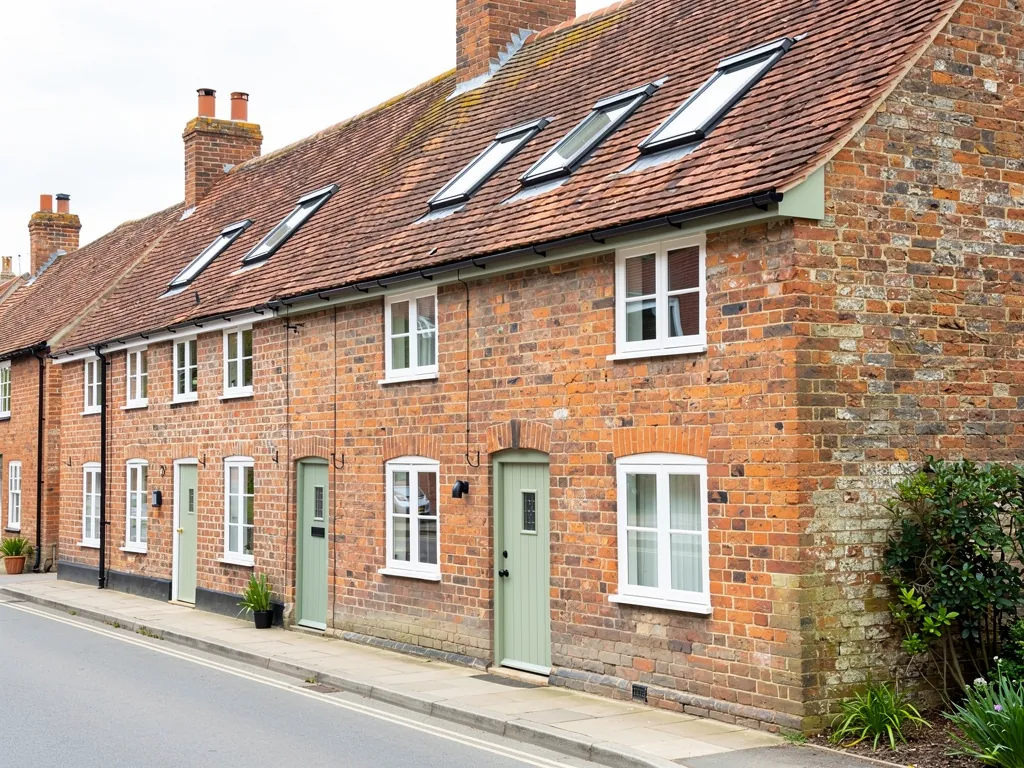
A row of old brick cottages, one with conservation rooflights in its clay roof
Planning
Worthing Borough Council; National Park Authority in the Downs
Homes
Merged villages, 27 conservation areas, about 360 listed buildings
Roofs
Checked at the survey, address by address
Setting
Channel coast plain, chalk bedrock, Downs to the north

Five merged villages, a protected seafront and a railway since 1845

  • Twenty-seven protected areas

    Broadwater, Goring, Heene and Marine Parade are among them, so the position for your address is checked with the council first.

  • A station from 1845

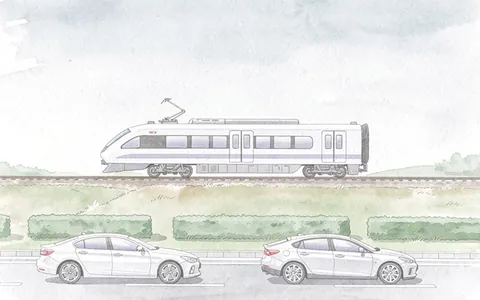
    Worthing has lived beside its railway for generations, and a loft bedroom near the line hears the trains through thin glass.

  • Flat extensions, loud showers

    A rear extension under open coastal sky collects every shower, and a thin lantern on it drums hard.

  • Old units to renew

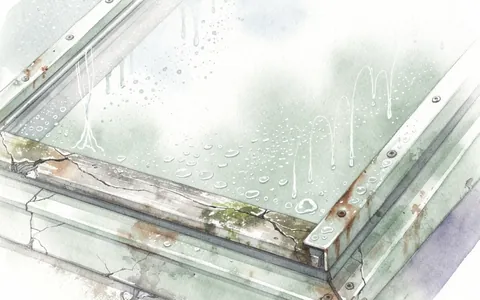
    A clouded pane or a worn seal in an older roof is a reason to replace the unit with a better build.

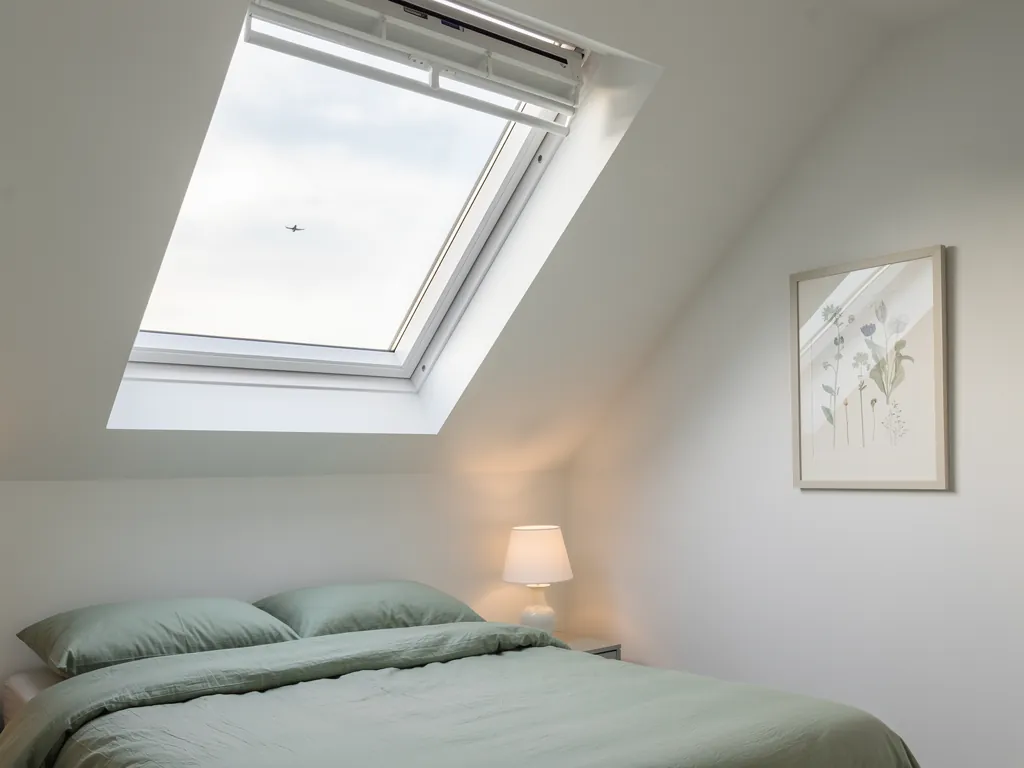
Broadwater loft bedroom, specified quietly

This is one illustration of the note attached to each quote. Yours follows a visit, built around your own room and whatever we hear while standing in it.

Room:
loft bedroom in a house near Broadwater, a few streets from the railway
What we would listen for:
trains on the line, then sea showers across the roof
Glazing:
laminated acoustic glass facing in, heavier outer glass, a deep cavity
Seals and upstand:
unbroken seal all round the frame, upstand finished flush to the covering

Noise out hereStill in here

The survey file

Rooflights in Worthing

Worthing is a seaside borough of 113,866 people, 29.7 road miles from our base in Crawley, with the Channel on one side and the chalk of the South Downs on the other. Rooflight installation in Worthing starts from a fact the town shows on its own map: it is a joined-up place, made from several older settlements, and every one of them asks a slightly different question of a roof. This page goes through them in turn and says what each means for a skylight.

Town of old villages

A town stitched together from villages

The 1890 merger left seams that matter more to a rooflight than the postcode, so the specification follows the roof in front of us.

The modern town dates from 1890, when the townships of Worthing and West Worthing merged and took in Broadwater, Durrington and Goring-by-Sea, all of them villages until then. The seams still show, and they matter more to a rooflight than the postcode does.

Each former village has its own street pattern, its own centre and its own age of building. A house near the old heart of Broadwater and a house at the western edge of Goring can be a few miles apart and a century apart. Walk between them and the roofs change: pitch, covering, eaves, the way the loft sits under the slope.

That is why we write no single specification for Worthing. We write one for the roof in front of us. The survey reads what the house is made of and how it was put together, then the opening is drawn to suit. If you want the general method first, our guide on how to choose a rooflight for your home sets out the questions in order, and this page keeps to the local detail.

What differs from village to village

  • Street patternEach former village laid out its own streets.
  • Its own centreBroadwater, Durrington and Goring-by-Sea were villages until the merger.
  • Age of buildingPitch, covering, eaves and the way the loft sits under the slope all change between them.

NextTwenty-seven conservation areas, and the address that decides
Address by address

Twenty-seven conservation areas, and the address that decides

With 27 designated areas, the position is checked for each address with the council, never called from memory.

Worthing has 27 designated conservation areas. That is a lot of ground for a town of this size, and it is the single most useful planning fact to know before you call anyone about a roof.

The list runs across the whole borough: Broadwater, Broadwater Green, Chapel Road, Durrington, Farncombe Road, Goring, Goring Hall, Heene, Ivy Place, Little High Street, Marine Gardens, Marine Parade and Hinterland, Mill Road, Montague Street, Park Crescent, Richmond Road, Robson Road, Salvington, Shaftesbury Avenue, Shakespeare Road, South Street, Steyne Gardens, Warwick Gardens, West Tarring and Winchester Road, plus Castle Goring and Highdown. The last two lie inside the South Downs National Park, where the National Park Authority handles planning instead of the borough.

The list changes, too. A review in 2024 of the Goring Hall and Steyne Gardens areas produced a new Marine Gardens conservation area. So a street you remember as ordinary may now carry a designation, and a street your neighbour checked years ago may have been redrawn since.

Where the answer differs

  • Castle Goring and Highdown Inside the South Downs National Park, where the National Park Authority handles planning.
  • Goring Hall and Steyne Gardens A 2024 review of these areas produced a new Marine Gardens conservation area.
  • Elsewhere in the borough Worthing Borough Council is the planning authority, with West Sussex County Council above it.

For that reason we never call a Worthing address in or out from memory. The conservation and planning position is checked for the address, with the council, before anything is drawn. Worthing Borough Council is the planning authority, run together with Adur District Council as Adur & Worthing Councils, and West Sussex County Council is the county authority above it.

NextAbout 360 listed buildings, and what a listed roof asks

Listed roofs

About 360 listed buildings, and what a listed roof asks

A listed building is treated as a whole, so consent comes first, then the product, then the installation.

Worthing has around 360 listed buildings. They are scattered, not gathered: a house here, a cottage there, a church or a garden wall in between.

A listed building is treated as a whole, so a rooflight in the roof of one is a matter for listed building consent, and the expectations differ from those for an unlisted house. The frame is often the question. A slim metal roof window set flush with the covering reads very differently from a plastic unit that stands proud, and the council looks at that difference closely.

Our page on conservation rooflight installation sets out how a flush, slim-profile unit is chosen and fitted. For a listed Worthing property the order is always the same. The consent question comes first, the product second, and the installation last.

The order for a listed Worthing property

  1. 01Consent questionListed building consent is settled before anything else.
  2. 02ProductA flush, slim profile unit is the usual place to begin.
  3. 03InstallationLast, once the consent and the product are agreed.

NextChalk, clay and a low-lying coast

Ground and weather

Chalk, clay and a low-lying coast

The ground does not decide how a roof is glazed. The weather over a flat coastal plain does.

The borough sits on the South Coast Plain, facing the Channel, on chalk bedrock with a band of London clay running west through Broadwater and Durrington. The chalk hills of the South Downs lie to the north, with Cissbury Ring rising to 184 metres, and the northern parts of the borough, including the Worthing Downland Estate, are inside the National Park.

The ground does not decide how a roof is glazed. The weather above it does. A flat coastal plain under open sky gives a roof a wide view of the weather, and a hill behind it means rain arrives in showers that pass over quickly and hit hard. Glass responds to that. A skylight on a south-facing pitch gathers a lot of sun on a bright day, and a flat lantern collects every drop that falls.

Our guide on where to position a skylight in a room covers how orientation changes what you get, and our page on energy efficient rooflights covers how the glazing is specified to manage that sun and the winter cold.

How the weather reaches the glass

  • Flat coastal plain Gives a roof a wide view of the weather.
  • Hills behind Rain arrives in showers that pass quickly and hit hard.
  • A south facing pitch Gathers a lot of sun on a bright day.
  • A flat lantern Collects every drop that falls.

NextWhat the railway since 1845 means for a loft

Trains and the loft

What the railway since 1845 means for a loft

Worthing station opened in 1845, and a loft bedroom hears trains because sound passes through glass more easily than brick.

Worthing station opened on 24 November 1845, as the temporary terminus of the line from Brighton. The town has lived beside a railway for a long time, and a lot of its housing grew up because of it.

Rail noise is a fact of life near any station. A loft bedroom hears trains more than a ground-floor room does, because the roof is the thinnest part of the house and sound passes through glass more easily than through brick. A rooflight is a hole in that thin layer, and a poorly specified one lets the rumble straight in.

The answer is in the build of the glass and the way it is sealed. A laminated acoustic inner pane damps the sound. A thicker outer sheet, a generous cavity and continuous seals around the sash do the rest. Our guide on keeping road and rail noise out through a rooflight explains each layer, and acoustic laminated glass explained goes into the glass itself.

A build that keeps the rumble out

  1. 1Thicker outer sheet Does part of the work of keeping the sound back.
  2. 2Generous cavity The gap between the panes helps the rest.
  3. 3Laminated acoustic inner pane Damps the sound.
  4. 4Continuous seals round the sash Close the gaps that let the noise in.

How loud any one street is depends on the house. At the survey we listen in the room, at the time of day it matters to you, and the noise we hear sets the glazing build we write down.

One more point belongs to the coast itself. Salt air is hard on metal and seals, so the finish of the frame and the quality of the gaskets matter more near the sea than they do inland. We raise it at the survey because the answer changes the product, and it is written into the quiet spec so nothing is left to memory later.

NextReading a Worthing roof before opening it

Reading the roof

Reading a Worthing roof before opening it

Four survey questions decide what can be fitted and where, and the frame question changes cost and timing most.

Whatever the age of the house, the survey asks the same handful of questions. The answers decide what can be fitted and where.

  • What covers the roof, and how old is it? The covering sets how the flashing is formed around the opening.
  • How is the frame built? Some roofs are framed with separate rafters and purlins and others with factory trusses, and cutting a trussed roof is a structural decision.
  • What is under the slope? A landing, a bedroom and a bathroom each need a different amount of light and a different amount of quiet.
  • Which way does the pitch face? Orientation sets the sun, and the sun sets how the glass is specified.

The second question is the one that changes cost and timing most. A roof with open rafters usually takes a window between two of them, with a pair of trimmers to frame the opening. A roof with trusses needs the load carried around the opening, and that means an engineer's view before anything is cut. Our guide on how to size a rooflight for the room covers the sizing that follows.

NextFlat roofs at the back, and rain on the glass

Flat roof, loud rain

Flat roofs at the back, and rain on the glass

A rear extension is where a rooflight works best and where rain is loudest, so the fix is specification.

A home by the sea is often extended at the back, and a rear extension usually has a flat roof. That is where a rooflight or a small lantern does its best work, because a kitchen pushed out into the garden ends up deep in plan and dark in the middle.

It is also where rain is loudest. A flat pane and a lantern act like a drum skin, and a hard shower on a thin unit is the loudest thing in the room. The fix is specification: thicker or laminated glass, the right cavity, and a well-made upstand that holds the unit above the roof surface and stops sound and water tracking in.

A flat roof also needs a fall so water leaves, for example a fall of 1:80 across the surrounding membrane. Our guide on how to reduce rain noise under a flat rooflight explains it, and our page on flat roof rooflight installation shows how the upstand, the membrane and the unit go together. For a kitchen with a larger span, a roof lantern is the bigger gesture.

What calms rain on a flat unit

  • Thicker or laminated glassA thin unit under a hard shower is the loudest thing in the room.
  • The right cavityChosen with the glass, not added afterwards.
  • A well made upstandHolds the unit above the roof surface and stops sound and water tracking in.
  • A fall of 1:80Across the surrounding membrane, so water leaves the roof.

Sun is worth a paragraph of its own on this coast. Bright seaside light comes in strongly through a south-facing pane, and an attic bedroom can warm quickly on a clear afternoon. The glazing build, a blind or an electric opening unit on the upper slope are how we plan for it, and we talk through each at the visit. A rooflight should be bright in February and comfortable in July.

NextReplacing the skylight a house already has

Replacing old glazing

Replacing the skylight a house already has

A clouded unit, a failed seal or a warped frame is ready for renewal, from the opening outward.

A lot of roofs already carry glazing, and some of it is old. A unit that has clouded, a seal that has let go or a frame that has warped is ready to be renewed, and the work is a replacement, from the opening outward.

The cleanest replacement is a unit that fits the existing opening, so the roof covering is left alone. The better one is a unit with a newer glazing build that keeps the heat in and the noise out. Our guide on replacing an old skylight, like for like or a better unit weighs the two, and our page on misted and failed rooflight replacement covers the process. To spot the signs first, read signs a rooflight has failed.

We install to current Building Regulations, and where the work is notifiable we handle the Building Control notification. Building Regulations for rooflights explained sets out Approved Documents L, K and B in plain words.

From tired unit to new one

  1. 01Spot the signsA unit that has clouded, a seal that has let go or a frame that has warped.
  2. 02Choose the unitLike for like in the same opening, or a newer glazing build that keeps heat in and noise out.
  3. 03Fit to current regulationsInstalled to current Building Regulations.
  4. 04Building ControlWe handle the notification where the work is notifiable.

NextFrom first visit to written quote in Worthing

Visit to quote

From first visit to written quote in Worthing

The quote starts with a visit, and the work comes with a 10-year workmanship guarantee.

The quote starts with a visit. We look at the roof from outside, stand in the room underneath it, and listen. Then we measure, check the frame, and work out what the opening can be.

Every quote carries a quiet spec. It is a one-page written note for your room, with the noise we heard, the glazing build we propose and why, and how the upstand and seals are finished. The quiet spec page shows what goes in it, and what goes into a quiet rooflight specification explains the thinking.

The work then comes with a 10-year workmanship guarantee, which is not insurance-backed, described in full on our guarantee. For the cost side, rooflight and skylight costs explains what moves a price, and you can get a quote with the form on this page, by email at info@clearskylightscrawley.co.uk, or on WhatsApp.

The same coast carries a run of neighbouring towns, and Sompting, Lancing and Shoreham-by-Sea each have their own page on this site. The full service area is on the main page.

NextWorthing questions: conservation areas, the train line and a flat roof

Common questions

Worthing questions: conservation areas, the train line and a flat roof

Short answers on conservation areas, the National Park, railway noise, listed buildings and the age of the housing.

The questions below follow the town's own layout, from the protected areas to the extension at the back.

How do I know whether my street is in one of the conservation areas?

The borough has 27, and the list changed after the 2024 review that produced the Marine Gardens area. We check the position for your address with the council before we draw the opening, so you are not relying on an old list or a neighbour's memory.

Does the South Downs National Park cover any of Worthing?

Yes. The Castle Goring and Highdown conservation areas are inside it, and the northern parts of the borough, including the Worthing Downland Estate, are within it too. There the National Park Authority handles planning, not the borough council.

Will a rooflight let in the noise from the railway?

It can if it is thinly built. A laminated acoustic inner pane, a thicker outer sheet, a good cavity and continuous seals keep a loft bedroom quiet. We write the chosen build into the quiet spec that comes with the quote.

Can a listed building have a rooflight?

Sometimes. Worthing has about 360 listed buildings, and the answer depends on the building, the roof and where the opening sits. Listed building consent comes first, and a slim flush unit is usually the place to begin.

Is the Worthing housing all the same age?

No. The town joined Worthing, West Worthing, Broadwater, Durrington and Goring-by-Sea in 1890, so the roofs differ from one former village to the next. That is why each survey starts with the roof in front of us.

Get a quote

Tell us about the room

  • No obligation
  • Quiet spec included
  • 10-year guarantee

Prefer to message? WhatsApp us or call 01293 974093, or email info@clearskylightscrawley.co.uk.