Greater London · 18.5 miles from Crawley by road

Rooflights and skylights in Purley

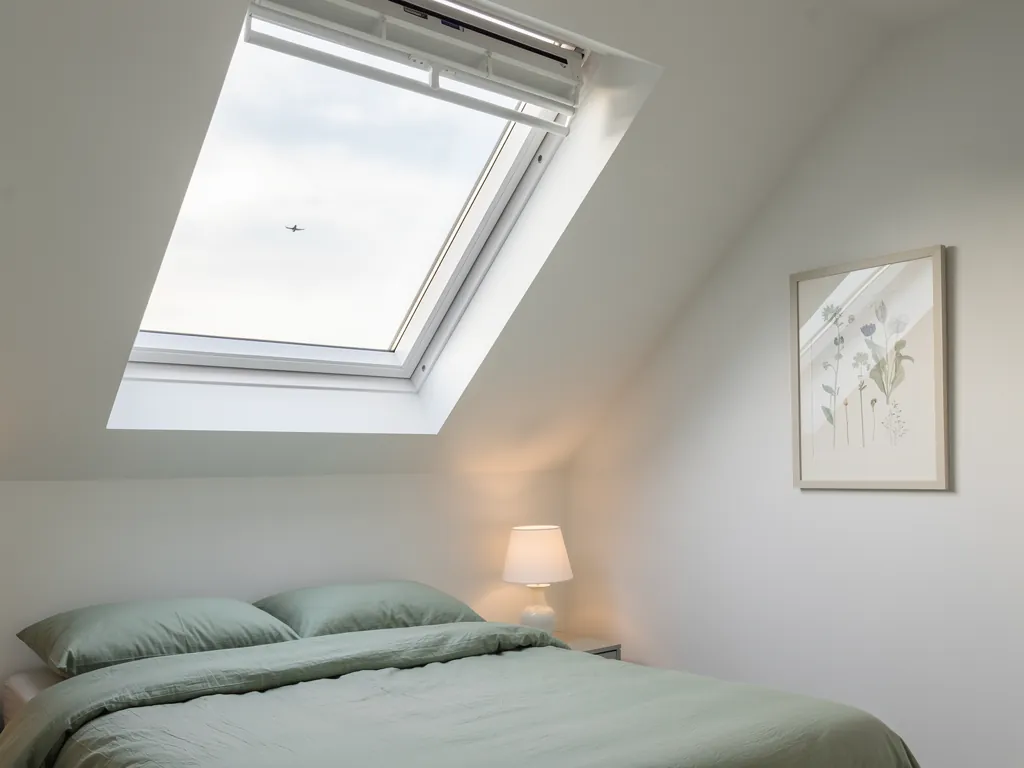
Purley has two residential conservation areas, two stations on the Brighton Main Line and the A23 through it. We check the address, listen in the room and write the quiet spec before a rooflight is fitted.

Get a quote What is a quiet spec?

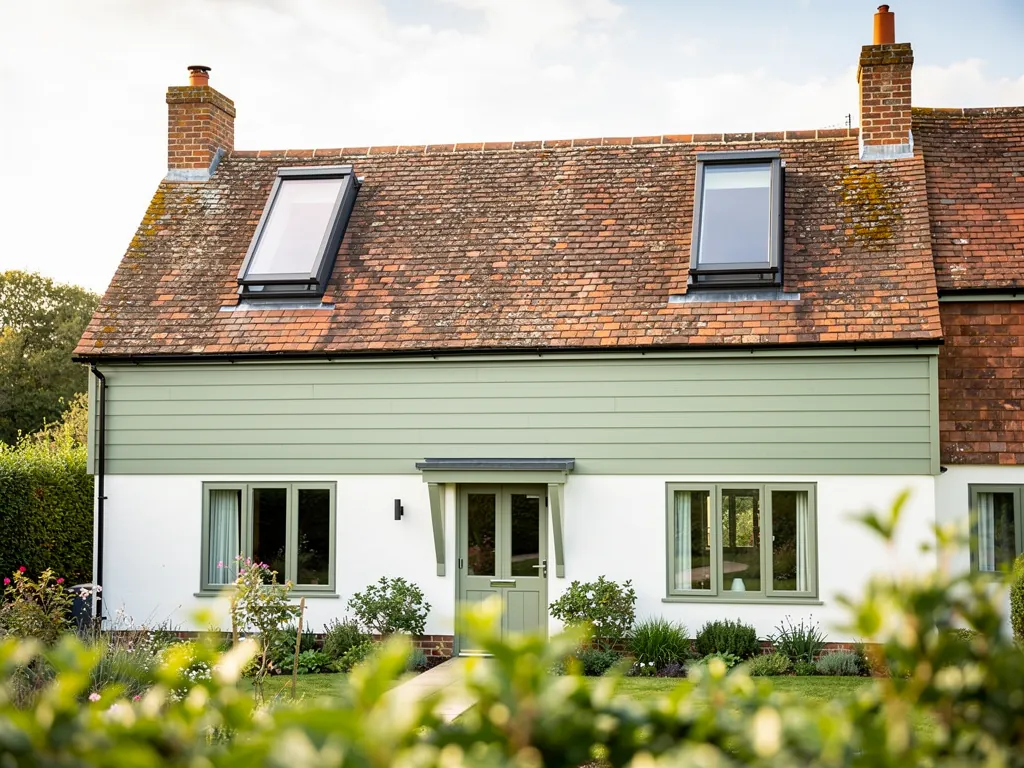
A tile-hung Sussex cottage with slim conservation rooflights in its clay-tiled roof
Planning
London Borough of Croydon
Homes
Suburb that grew fast in the 1920s and 1930s
Roofs
Not recorded for the town, so read on the roof at survey
Setting
Brighton Main Line, Purley Oaks, Reedham, the A23

Hedged estates, a main line and a suburb built in two decades

  • Estates with protected plots

    The Webb Estate and Upper Woodcote Village are conservation areas, so a house west of the centre is checked against the boundary before any unit is chosen.

  • Two stations and the A23

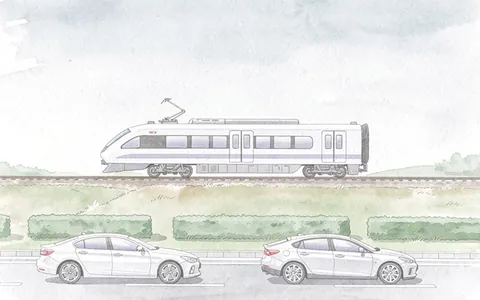
    Trains on the Brighton Main Line and traffic on the A23 are the sounds a loft room may catch through a thin pane.

  • Flat roofs on rear extensions

    A kitchen extension with a flat rooflight takes every shower straight on the glass, and a light outer sheet drums under it.

  • Lofts converted long ago

    Streets built in the 1920s and 1930s now hold old units with misted panes and loose gaskets that let in cold and sound.

A sample spec for a rear loft facing the railway

Purley room, imagined on paper. Yours is drawn up after we have stood in the room and heard what it hears.

Room:
loft bedroom on a rear slope facing the Brighton Main Line, a suburban street on the far side
What we would listen for:
passing trains late in the evening and early in the morning, and any road hum from the front
Glazing:
laminated acoustic inner pane, an outer pane of different thickness, a generous cavity
Seals and upstand:
unbroken gaskets under compression, frame bedded without gaps, reveal lined and closed inside

Noise out hereStill in here

The survey file

Rooflights in Purley

Purley is a south London suburb in the Borough of Croydon, strung along the Brighton Main Line with the A23 beside it and two conservation areas to the west of the centre. Each of those shapes a rooflight. This page takes the place as its public records describe it, then sets out what we would check, choose and write down before a skylight goes into a Purley roof.

Where Purley sits

Eleven and a half miles from Charing Cross, eighteen and a half from Crawley

A compact suburb with no single look to its roofs, so no single answer for what goes in them.

Purley sits about 11.5 miles south of Charing Cross and borders the London Borough of Sutton. From our base in Crawley it is 18.5 road miles, well inside the 30 miles we cover. A survey visit is a morning's drive, and the work can be planned around a household that keeps living in the house.

The 2022 figure for the population is 15,184. That is a compact place, and it has the feel of one: stations, a main road, a run of residential streets and, to the west, older estates laid out with more space around them. Purley has no single look to its roofs, so it has no single answer for what goes in them.

The details of each house matter more than the postcode. Two neighbours can share a wall and still need different glass, because one has a rear slope that faces the railway and the other has a slope that faces a hedge. So the order of work is always the same. We visit, we go up into the roof, we stand in the room and listen, and only then do we talk about products. The main page for Crawley and the 30 miles around sets out the whole service range.

Purley in numbers

  • 11.5Miles south of Charing CrossThe suburb borders the London Borough of Sutton.
  • 18.5Road miles from our base in CrawleyWell inside the 30 miles we cover.
  • 15,184PopulationThe 2022 figure.

NextA rural estate turned into streets

A suburb built fast

A rural estate turned into streets

Rural estates became residential streets in the 1920s and 1930s, which says when the housing arrived but not what any one roof is made of.

Purley expanded rapidly as a suburb in the 1920s and 1930s, when rural estates became residential streets. That is a useful fact for anyone thinking about a rooflight, because it says when much of the housing arrived, even though it does not say what any one roof is made of.

The public record we hold for Purley does not name the roof coverings or describe how the roofs are framed, and we do not guess at them. A house from that period of growth may have clay or concrete tiles, slate, or a replacement covering laid in a later decade. Underneath may be cut rafters or factory trusses. Each choice changes the job. A tile needs one kind of flashing and a slate another, and the framing decides how wide an opening can be before the structure needs a trimmer or a new beam. We read all of that on the roof.

What the period does give us is a pattern of use. Streets built fast as family housing tend to hold lofts that were left as storage, and storage lofts are where a rooflight first does its work. A roof window turns an unused loft into a bedroom or a study, and a small unit over a dark landing can change a whole upper floor. Our guide to where to position a skylight in a room works through the choice of slope and height.

What the roof decides

  • The coveringClay or concrete tiles, slate, or a later replacement. A tile needs one flashing and a slate another.
  • The framingCut rafters or factory trusses decide how wide an opening can be.
  • Lofts left as storageFast built family streets are where a rooflight first does its work.
  • A loft already convertedThe job is to fit a better unit without disturbing the room more than we must.

A loft that has already been converted raises the opposite question. If the room is in use and the existing window is tired, we are replacing, not adding. The opening is there, the plaster is finished, and the job is to fit a better unit without disturbing the room more than we must. The page on replacing an old skylight explains when like for like is enough and when a better unit earns its place.

NextProtected estates west of the town centre

Conservation areas

Protected estates west of the town centre

Two residential conservation areas lie west of the centre, so a rooflight is a question of consent as well as of glass.

West of the town centre lie two residential conservation areas, the Webb Estate and Upper Woodcote Village. A third piece, Furze Lane, was added to the designation later. A rooflight here is a question of consent as well as a question of glass.

The dates are on Croydon's record. Upper Woodcote Village was designated a conservation area in November 1973. The Webb Estate followed in 1983, and Furze Lane was added in 1984 after a residents' petition. That last detail says something about the place. People here asked for protection and got it, so a planner and a neighbour are both likely to care about what happens to a roofline.

The Webb Estate was developed mainly between 1898 and 1925 on Garden City principles. The houses are in a vernacular style, set on landscaped plots, with live hedges where a solid boundary wall might otherwise stand. Low, green and open is the character the designation protects. A rooflight that catches the light from a public road is a different proposal from one on a rear slope behind a hedge, and the council reads them differently.

How the protection arrived

  1. 1898 to 1925Webb Estate developedMainly on Garden City principles, in a vernacular style on landscaped plots.
  2. November 1973Upper Woodcote VillageDesignated a conservation area.
  3. 1983Webb EstateDesignated a conservation area.
  4. 1984Furze LaneAdded after a residents' petition.

A designation does not ban rooflights. It changes how a proposal is read, and it can withdraw rights a householder would otherwise have. Whether a particular house is inside a boundary is checked for the address. A road name is a poor guide, because a boundary can run down the middle of a street. We look the address up on the council's own mapping and write the answer into the quote.

Where a house is inside one of these areas, the sensible approach is small, flush glazing on the slope turned away from the public view. A low unit that sits close to the tile line reads as part of the roof, and a bulky frame reads as an addition. Our page on conservation rooflight installation covers the products made for that job.

Two other entries in the record are worth knowing. Kenley Aerodrome is a conservation area in the Purley and Kenley district, and Croydon's Local Plan heritage appendix lists 25 local heritage areas across the borough. Neither is a blanket rule for Purley. Together they are a reminder that an address here can sit near more than one kind of protected area, and that the check has to be made house by house.

NextCroydon decides, and the address decides first

Planning and rules

Croydon decides, and the address decides first

For an ordinary house outside any designated area the national position is kind, but the address is looked up first.

Planning in Purley belongs to the London Borough of Croydon. For an ordinary house outside any designated area, the national position is kind. Permitted development can cover a rooflight that stands no more than 150 mm proud of the roof plane and stays below the highest point of the roof.

Four things can undo that:

  • a listing, or a conservation area, which matters where two sit west of the centre;
  • an Article 4 direction withdrawing householder rights from a street or an area;
  • a flat or maisonette, which never had those rights;
  • a condition on the original planning permission for the house.

We do not assume that none of these applies. The address is looked up and the result goes into the written quote before you agree to anything. The wider rules are in our guide to planning permission for rooflights and skylights, and Croydon's own pages on the Webb Estate and Upper Woodcote Village give the official description.

Planning is one track and Building Regulations another. Cutting an opening alters the roof structure, and the glass must meet Part L on heat loss. Part K covers safety glazing and Part F covers ventilation, and Part B matters where a rooflight sits near a boundary or a stair. Where the work is notifiable, the Building Control notification is ours to make, and the unit goes in to current Building Regulations. The Building Regulations guide takes each Part in turn.

NextTwo stations, the A23 and rain on the glass

What Purley hears

Two stations, the A23 and rain on the glass

The public record names rail and road, and rain is the one sound every rooflight shares.

Purley and Purley Oaks stations both sit on the Brighton Main Line, Reedham is on the Tattenham Corner Line, and the A23 runs through to Croydon in one direction and Brighton in the other. Those are the noise sources the public record names for Purley. Aircraft are not among them, so we do not write about flight paths here.

The record gives no measure of how loud any street is, and we do not invent one. So the listening happens at the house. A rooflight is the thinnest part of a roof. Between a loft bedroom and the sky lie tiles, battens, felt, rafters, insulation and plasterboard, except where the glass is. Whatever a room will hear arrives first through the rooflight. At the survey we stand in the room, close the door and note what gets through.

A rear slope that faces the railway hears trains at intervals, which is a different annoyance from steady traffic, because the ear starts waiting for the next one. A slope on the road side of the house hears a hum that rises and falls with the day. A slope tucked behind a hedge on a quiet lane may hear nothing but weather. Each case leads to a different written specification. Our guide to keeping road and rail noise out through a rooflight gives the reasoning.

Sounds a Purley rooflight meets

  • RailThe Brighton Main Line at Purley and Purley Oaks, and the Tattenham Corner Line at Reedham.
  • RoadThe A23 runs through to Croydon in one direction and Brighton in the other.
  • RainOn a flat rooflight or lantern the drops land straight on the pane above the room.
  • AircraftNot among the sources the record names, so we do not write about flight paths.

Rain is the one sound every rooflight shares. On a flat rooflight or a lantern the drops land straight on the pane above the room. A light outer sheet sounds like a drum. A lantern with many glazing bars can drum like a shed. A kitchen extension shows it most, since that room is busiest in the evening, just when the weather is at its worst.

The remedies are ordinary products. A thicker outer pane helps, and so does a laminated acoustic inner pane. Two panes of unequal thickness do not ring together the way matched panes do, and unbroken seals with an insulated upstand finish the build. A flat roof also needs a fall so water leaves it. A fall of 1:80 is a common minimum, and the upstand has to stand clear of any pooling, so we check the fall before we plan the kerb. The guide to reducing rain noise under a flat rooflight goes further.

NextChoosing the rooflight for the room and the roof

Room and roof

Choosing the rooflight for the room and the roof

The right product follows the roof and the room, and a survey starts from the likely answers.

The right product follows the roof and the room. Purley's mix of older estates and suburban streets points to a range of likely answers. This table is where a survey starts, not where it ends.

Loft bedroom

Roof
Pitched
Likely rooflight
Roof window on the quietest slope

Home office

Roof
Pitched
Likely rooflight
Roof window, opening for air

Dark landing

Roof
Pitched, narrow
Likely rooflight
Sun tunnel or small roof window

Kitchen extension

Roof
Flat
Likely rooflight
Flat rooflight or lantern
RoomRoofLikely rooflight
Loft bedroomPitchedRoof window on the quietest slope
Home officePitchedRoof window, opening for air
Dark landingPitched, narrowSun tunnel or small roof window
Kitchen extensionFlatFlat rooflight or lantern

In a pitched loft, a roof window brings daylight and fresh air to a bedroom or study. A centre-pivot unit opens wide enough to look out of while standing, and a top-hung unit swings further out and leaves more headroom at the sill. Size and position are settled together, and our guide to sizing a rooflight for the room shows how.

A landing often has no outside wall and little loft above it. A sun tunnel carries daylight down a short tube into such a space and fits where a full window would not.

Over a kitchen extension the choice lies between a flat rooflight and a lantern. A flat roof rooflight is the calmer of the two, with one large pane and no bars for rain to strike. A roof lantern lifts the ceiling and lets light in from several sides, but it has more bars and more edges, so the glazing build carries more weight. Both are installed to current Building Regulations, with the upstand insulated and the lining made good inside.

Inside a conservation area the shortlist narrows again. Low-profile, flush units on the rear slope come first, and the choice between a pivot and a fixed pane follows from what the council will accept at the address. The broader guide to choosing a rooflight for your home covers glass, frames and opening types.

NextA quiet spec for a Purley room

The quiet spec

A quiet spec for a Purley room

One page for one room records what we heard, the glazing build we propose and why, and how the upstand and seals are finished.

Each quote is sent with a written quiet spec, one page for one room. It records what we heard at the survey, the glazing build we propose and why, and how the upstand and seals are finished. The quiet spec page shows the format.

One might read it like this for a loft bedroom near the railway. The room is a loft bedroom on a rear slope facing the line. We would listen for the rise and fall of passing trains at the hours the room is used, which means late evening and early morning, and for any hum from the road on the other side of the house.

The glazing would be a laminated acoustic inner pane, an outer pane of a different thickness and a generous cavity between them. The seals would be unbroken gaskets under compression. The frame would be bedded so that no gap carries sound, and the lining finished inside so the reveal is tidy and closed. The same room on a quiet lane behind a hedge might need less. The spec follows the room, and writing it down means you can see the reason for each line.

An example spec, outside to room

  1. 1Outer pane A different thickness from the inner pane.
  2. 2Generous cavity A wide gap between the two panes.
  3. 3Laminated acoustic inner pane Chosen after listening for passing trains in the room.
  4. 4Unbroken gaskets Seals under compression, with the frame bedded so no gap carries sound.
  5. 5Finished lining The reveal inside is tidy and closed.

The finish matters as much as the glass. A well-made unit in a badly bedded frame still whistles. So the written spec covers the work around the glass too: the upstand, the flashing, the insulation and the lining. If you would like to see a real one before you commit, ask for it with the quote through the quote form.

NextOlder rooflights in a suburb built between the wars

Older rooflights

Older rooflights in a suburb built between the wars

A suburb from the 1920s and 1930s has rooflights of every age, and replacing is often simpler than adding.

A suburb that grew in the 1920s and 1930s has had a long time to accumulate rooflights of every age. Some were fitted in a loft conversion decades ago. Some came with a rear extension. A few may be original to the roof.

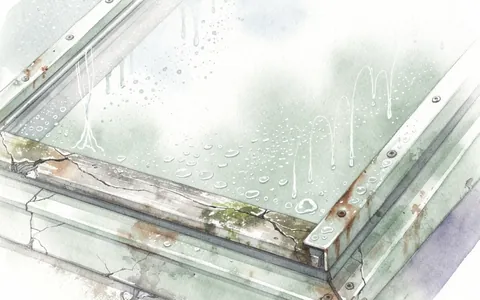
Age shows in several ways. The panes may have misted between the glass, which means the seal has gone and the cavity has let in moisture. The gasket may sit loose and let in cold air and sound. The frame may have warped, or the glass may be a single thin sheet that rings in rain. Our guide to the signs a rooflight has failed lists them, and the page on when to replace a rooflight helps you decide on timing.

Replacing is often simpler than adding, because the opening exists. We measure the old unit, check the upstand or kerb, and decide whether the same size will do or whether a change in size would improve the room. A modern unit brings better glass and tighter seals. It can also bring a quieter build than the old one, which is worth having in a bedroom. Where the old unit is on a flat roof, the same visit checks that the fall still clears water. The service page on misted and failed rooflight replacement sets out how the job is done.

How an old rooflight shows its age

  • Misting between the glass The seal has gone and the cavity has let in moisture.
  • A loose gasket It lets in cold air and sound.
  • A warped frame The frame has moved out of true.
  • A thin single sheet It rings in rain.

A replacement can also be an upgrade in energy terms. Part L sets standards for heat loss, and a current unit is built to meet them. The energy efficient rooflights page explains the glazing choices, and the costs page sets out what moves a price, in general terms.

NextPurley questions about boundaries, trains and old glass

Common questions

Purley questions about boundaries, trains and old glass

Conservation areas, railway and A23 noise, planning permission and replacing an existing unit, answered for Purley.

Is my Purley house in a conservation area?

Two residential conservation areas lie west of the town centre, the Webb Estate and Upper Woodcote Village, and Furze Lane was added to the designation in 1984. Whether your house is inside one is checked for the address, on the council's mapping, before the quote is final. The answer is written into the quote.

Will a rooflight let in the noise from the railway or the A23?

It can if the glass is thin or the seals are tired, because the roof is the thinnest part of the house. The build is chosen for what the room hears: laminated acoustic glass, panes of unequal thickness, unbroken seals and a finished upstand. It is written into the quiet spec.

Do I need planning permission in Purley?

Outside a designated area, permitted development can cover a rooflight that stays within 150 mm of the roof plane and below the ridge. A conservation area, an Article 4 direction, a flat or a condition on the original permission can change that. We check and record the result with the quote.

Can you replace the rooflight I already have?

Yes. Replacement is one of the ten services we install. We measure the old opening, check the upstand, and fit a new unit to current Building Regulations, with the Building Control notification handled where the work is notifiable. The work carries our 10-year workmanship guarantee, which is set out on the guarantee page.

Neighbouring towns have pages of their own, including Sutton, Coulsdon and Croydon. To start a Purley job, use the get a quote page, or send a message on WhatsApp.

Get a quote

Tell us about the room

  • No obligation
  • Quiet spec included
  • 10-year guarantee

Prefer to message? WhatsApp us or call 01293 974093, or email info@clearskylightscrawley.co.uk.