Greater London · 21.7 miles from Crawley by road

Rooflights and skylights in Croydon, town centre to conservation street

Croydon has a railway, a traffic-built centre and about 20 conservation areas. We fit rooflights and skylights to suit, check the planning position for your address, and write down the glass we choose.

Get a quote What is a quiet spec?

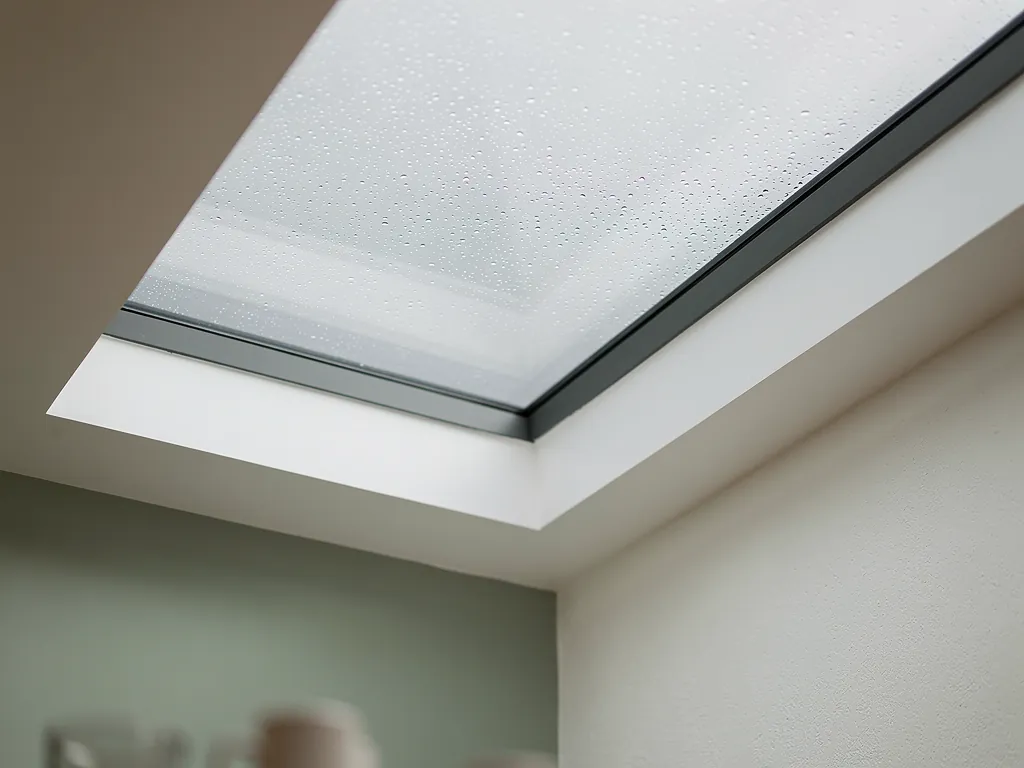
Rain beading on the outer pane of a flat rooflight, seen from the room below
Planning
London Borough of Croydon, about 20 conservation areas
Homes
Read at the survey; the file names no single era
Roofs
Flat roofs in the centre; others read in the loft
Setting
Railway town north of the North Downs

A flyover centre, an 1839 railway and twenty protected areas

  • Flyover and underpass traffic

    A centre rebuilt after 1956 around a flyover and underpass carries a steady band of road sound that a thin roof pane lets straight in.

  • Railway-side lofts

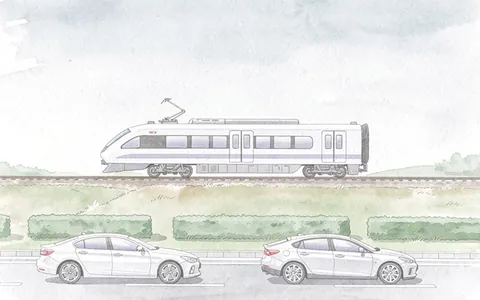
    The line has run since 1839. A slope facing it hears each train pass, and worn seals around an old unit make that louder.

  • Flat roofs in the centre

    Office-era blocks and flat extensions carry flat glass, and rain on it drums unless the inner pane and kerb are chosen for it.

  • Protected streets

    About 20 conservation areas and 25 local heritage areas mean the planning position gets confirmed for your address ahead of any unit choice.

A quiet spec for a flat-roofed room by the traffic

A sketch of the note that could go with a top-floor room under flat roof glass near the centre. Each real quote has its own, set down once we have listened in that room.

Room:
top-floor flat room beneath a flat roof, traffic sound from the street side
What we would listen for:
a steady road band, and rain on the roof on a wet night
Glazing:
inner sheet laminated for sound, unequal glass on the outside, sealed edge spacer
Seals and upstand:
gaskets kept under compression, a raised kerb tied into the membrane

Noise out hereStill in here

The survey file

Rooflights in Croydon

Croydon is a London borough with a railway town at its heart, a cluster of office towers from the 1960s and 1970s, and a long list of protected streets. A rooflight installation in Croydon therefore starts with the address: which set of rules it falls under, what the roof is made of, and what the room underneath will hear once a hole has been opened above it. This page sets out what the research says about the place, who decides what, and the glass, seals and upstand we would choose for the rooms you find here.

A borough, not a village

A London borough, 21.7 road miles north of our base

Croydon has every kind of roof and several layers of rules, so the first job is finding out what building you have.

Croydon is part of the London Borough of Croydon. The town had 192,064 residents at the 2011 census, and the borough as a whole had 384,837.

Those are large numbers for a place where we normally talk about villages. The size changes the shape of the work. A village has a handful of roof types and a single parish council. A borough of this size has every kind of roof and several layers of rules, and none of them can be read from the pavement. So the first job on any Croydon enquiry is to find out what kind of building you have and which rules apply to it.

We work from Crawley, the home of Clear Skylights Crawley, and Croydon is 21.7 road miles away, well inside the 30 miles we cover. A survey here is a planned visit with the tape, the ladder and the right questions already written down. Our page for Purley covers the next town along.

Croydon by the numbers

  • 192,064Residents of the townCounted at the 2011 census.
  • 384,837Residents of the boroughThe borough as a whole, counted at the same census.
  • 21.7 road milesRoad miles from CrawleyWell inside the 30 miles we cover.

A rooflight is a hole in the roof with glass in it. A skylight is the same thing under another name, and the two words mean one object on a roof. Daylight is the reason to fit one. The second question, which this page keeps returning to, is what else the glass lets through. If you want the two words pulled apart, rooflight or skylight does that in full.

NextOffice blocks, an underpass and a flyover: the centre after 1956

A centre built for traffic

Office blocks, an underpass and a flyover: the centre after 1956

The town centre brings road sound and flat roofs, so a room there is specified for that rather than for a quiet lane.

The Croydon Corporation Act of 1956 changed the middle of the town. Afterwards it gained multi-storey office blocks, an underpass, a flyover and multi-storey car parks. No. 1 Croydon, designed by Richard Seifert and Partners, was completed in 1970.

For a rooflight, that history matters in two ways. The first is noise. A town centre built around a flyover and an underpass is a town centre designed for traffic, and a room near that kind of infrastructure will hear a low, continuous band of road sound that has nothing to do with aircraft. The second is the roofs. Office blocks and car parks have flat roofs by nature, and flat roofs are where a flat roof rooflight belongs. Our service page on flat roof rooflight installation explains the fall, the kerb and the membrane in detail.

The research gives no housing eras for the streets around the centre, so the survey does that work: it reads the roof in the loft and the room from inside. What the file does tell us is that the centre is a place of hard surfaces, tall buildings and traffic, and a room under a roof in or near it needs to be specified for that sound rather than for a quiet lane.

  • Road sound from the centre. Broad and steady rather than sharp. Laminated glass damps this kind of sound better than a plain pane of the same thickness, because the interlayer absorbs vibration.
  • Flat roofs on the top floor. A flat rooflight is exposed to rain from every direction. Drumming is reduced by a laminated inner pane, a different thickness on the outer pane, and a kerb built up to suit.

NextTwenty conservation areas and twenty-five local heritage areas

Two protected lists

Twenty conservation areas and twenty-five local heritage areas

About 20 conservation areas and 25 local heritage areas make the address check the first question to settle.

Croydon has about 20 conservation areas, and its Local Plan heritage appendix lists a further 25 local heritage areas. Whether your roof sits inside either is the first question to settle, before any glass is chosen.

The conservation areas named in the research include Central Croydon, Church Street Croydon, Croydon Minster, Chatsworth Road, Croham Manor Road, Harold Road, The Waldrons, South Norwood and Upper Norwood Triangle. The local heritage areas include Addiscombe College Estate, Beatrice Avenue and Birdhurst Road. Those names are a sample from the lists, not the whole of them.

The status of any house is checked for the address, because a boundary can run down the middle of a street and the rule for the front slope can differ from the one for the rear. Checking means reading the council's own mapping and the Local Plan appendix, then confirming with the planning department where the answer is unclear.

How an address is checked

  1. 01Read the council mappingThe borough's own maps show where boundaries run.
  2. 02Read the Local Plan appendixIt lists the local heritage areas.
  3. 03Confirm with planningWhere the answer is unclear, we ask the planning department.

What changes inside a protected area is usually the roof slope that faces the street and the type of unit allowed there. A low-profile conservation rooflight that sits flush with the covering is a different conversation from a projecting box. Our service page on conservation rooflight installation sets out what that looks like, and planning permission for rooflights and skylights walks through the general rules.

NextThe Minster, Wrencote House and what survives of the palace

Listed buildings

The Minster, Wrencote House and what survives of the palace

A listed building is a separate matter from a conservation area, and the two layers of protection can overlap.

Croydon Minster and Wrencote House are listed buildings in the town centre, and remnants of Croydon Palace survive. These are the oldest pieces of the borough's built story, and they set the tone for the streets around them.

A listed building is a separate matter from a conservation area. Work to a listed building needs listed building consent for anything that affects its character, and that includes the roof. A rooflight in a listed building is a decision about the structure, the slope and the glass, made together with the council's conservation officer.

A house near a listed building may fall inside a conservation area because of it, and the two layers of protection can overlap. The address check covers both at once.

What a listed roof involves

  • Listed building consentNeeded for anything that affects the character of the building, roof included.
  • The conservation officerThe glass, slope and structure are decided together with the council.
  • Overlapping protectionA house near a listed building may fall inside a conservation area because of it.
  • A slim conservation unitA laminated inner pane adds glass thickness without adding frame height.

Where a protected roof does allow glazing, the choices narrow. The unit is usually a slim-framed conservation type, with a central glazing bar and a profile that lies close to the slope. That suits acoustic glazing well, because a laminated inner pane adds thickness to the glass without adding height to the frame. Our guide to acoustic laminated glass explains the build.

NextA railway town since 1839

The railway

A railway town since 1839

The railway is part of the town's fabric, and the survey settles what your own room hears from it.

The London and Croydon Railway began operating in 1839, and the line turned the town into a commuter destination. That sentence from the research is the most useful single fact for anyone listening for noise here, because it tells you the railway is part of the town's fabric and not an afterthought.

A rail corridor makes a particular kind of sound. It is intermittent, with a peak as each train passes and a gap in between, and it can carry a low rumble that travels through the structure as well as through the air. A loft bedroom whose slope faces the line will hear the peaks. A room at the back may hear almost nothing.

That is why the first thing we do at a survey is stand in the room and listen. We note which direction the sound comes from and when it comes. The research names no streets beside the line, so the survey is what settles it for your house, and the result is written into the quiet spec that comes with the quote.

There are three parts to a quiet specification against rail and road sound:

  1. A laminated inner pane, which damps vibration that a single sheet of glass passes straight through.
  2. An outer pane of a different thickness, so the two panes do not ring at the same pitch.
  3. Seals that stay compressed, and an upstand built so sound has no gap to slip through.

For the full list of what goes into the written note, see what goes into a quiet rooflight specification, and for the sound itself, keeping road and rail noise out through a rooflight.

NextWhere the airport was, and why it does not decide your glass

The old airport

Where the airport was, and why it does not decide your glass

Croydon Airport closed in 1959, so a room is listened to for what it actually hears today.

Croydon Airport was London's main airport until the Second World War and closed in 1959. It is part of the borough's story, and its name still appears on the map.

It closed more than six decades ago, so it is not a source of sound today. A room here is listened to for what it actually hears: road sound, the railway, and rain on flat glass.

That approach is deliberate. A rooflight specification built for the wrong noise is wasted money and a false comfort. A loft with a busy road on one side needs glass built for road sound. A kitchen lantern over a flat extension needs glass and a kerb built for rain. The two are different builds, and the survey is what tells them apart.

What a Croydon room actually hears

  • AircraftThe airport closed in 1959 and is not a source of sound today.
  • RoadA loft with a busy road on one side needs glass built for road sound.
  • RailThe railway is part of the town, and the survey tells you what reaches your room.
  • RainA kitchen lantern over a flat extension needs glass and a kerb built for rain.

NextRain on flat glass, from the North Downs to the Wandle

Rain on flat roofs

Rain on flat glass, from the North Downs to the Wandle

The geography adds nothing unusual, but rain on a flat or shallow unit is a sound problem for every one of them.

Croydon sits north of the North Downs, and the River Wandle rises here. The geography is gentle, and it adds nothing unusual to a rooflight specification on its own. Rain falls on a flat rooflight here as hard as it does anywhere in the south-east.

Rain on glass is a sound problem for every flat or shallow-pitched unit. Water hitting a pane makes the pane move, and the movement is heard as drumming in the room below. The heavier the rain and the larger the pane, the louder it is.

The table below sets the main choices against what they do for a flat-roofed room. It is general physics and general regulation, not a price list.

Laminated inner pane

What it does
Damps the vibration of rain
Room it suits
Kitchen or office lantern

Different pane thicknesses

What it does
Stops both panes ringing together
Room it suits
Any flat unit

Built-up kerb

What it does
Lifts the glass clear of splash
Room it suits
Flat roof extension

Compressed gaskets

What it does
Closes the gap sound could use
Room it suits
Every opening
ChoiceWhat it doesRoom it suits
Laminated inner paneDamps the vibration of rainKitchen or office lantern
Different pane thicknessesStops both panes ringing togetherAny flat unit
Built-up kerbLifts the glass clear of splashFlat roof extension
Compressed gasketsCloses the gap sound could useEvery opening

For the detail behind the rain row, read how to reduce rain noise under a flat rooflight. If the room is a kitchen with a larger opening, a roof lantern is the usual answer, and the glass build matters even more there.

NextAn example spec for a Croydon room

The quiet spec

An example spec for a Croydon room

An example note for a flat near the centre shows the shape of the written spec, not a finished document.

Every quote we write comes with a quiet spec, a one-page note for that room. The example below shows what one might say for a flat in or near the town centre, where the roof is flat and the sound comes from traffic. It is an illustration of the shape of the note, not a finished document.

The room

What it records
Top-floor room under a flat roof, traffic on one side

What we listened for

What it records
A steady road band and rain on the roof

Glazing

What it records
Laminated inner pane, unequal outer pane, warm-edge spacer

Seals and upstand

What it records
Compressed gaskets, kerb built to the membrane
Part of the specWhat it records
The roomTop-floor room under a flat roof, traffic on one side
What we listened forA steady road band and rain on the roof
GlazingLaminated inner pane, unequal outer pane, warm-edge spacer
Seals and upstandCompressed gaskets, kerb built to the membrane

The real spec is written after the survey, so it names the actual room, the direction of the sound and the product chosen. Our page on the quiet spec shows the full layout, and the energy efficient rooflights page explains how the same glazing build also serves the thermal rules.

A quiet build and a warm build go together naturally. A laminated inner pane and a well-sealed frame help with both, so a specification written for sound sits comfortably with the thermal requirement. Where the two pull in different directions, the written note records the choice made and the reason.

NextPlanning, Building Regulations and the survey visit

Rules and the visit

Planning, Building Regulations and the survey visit

Croydon is its own planning authority, and Building Regulations apply wherever you live.

The planning authority here is the London Borough of Croydon. That single fact governs what you can do to the slope and who you ask, and it is a different council from the county and district councils across most of our area.

A rooflight in an ordinary house can be permitted development, but that depends on the house, the slope and whether the property sits in a protected area. Flats and maisonettes have different rights from houses, and a building in a conservation area or a listed building has a tighter set again. We check the position for your address and tell you what we find before any work is booked.

Building Regulations are a separate test and apply wherever you live. New and replacement roof glazing has to meet current standards for thermal performance under Part L, for safe access and breakage under Part K, for fire under Part B and for ventilation under Part F where the room needs it. We install to current Building Regulations and handle the Building Control notification where the work is notifiable. Our guide to Building Regulations for rooflights sets out each part.

What the Building Regulations cover

  • Thermal performancePart L, for new and replacement roof glazing.
  • Safe access and breakagePart K.
  • FirePart B.
  • VentilationPart F, where the room needs it.

At the survey we measure the opening, read the roof structure from the loft, check the fall on any flat roof, and listen in the room. You then receive the quote together with the quiet spec. If you are ready to begin, get a quote, or send the address by WhatsApp and we will reply with what we need to see.

The written promise behind the work is a 10-year workmanship guarantee, described on the guarantee page. It is a workmanship guarantee, separate from insurance.

NextCroydon questions about airports, protected streets and flat roofs

Common questions

Croydon questions about airports, protected streets and flat roofs

Answers on aircraft noise, conservation areas, flats and failing rooflights.

The questions below come from the facts in the research: the old airport, the conservation areas, the town centre and the railway.

Will aircraft noise decide my glass in Croydon?

The research sources no current aircraft noise for the borough, and Croydon Airport closed in 1959. The glass is specified for what the room actually hears, which here is road sound, the railway and rain on flat glass.

How do I find out if my house is in a conservation area?

Give us the address and we check it against the borough's conservation areas and its list of local heritage areas. There are about 20 of the first and 25 of the second, and a boundary can split a street. The status is confirmed for the address before any quote is final.

Can a flat in the town centre have a rooflight?

Often it can, but flats carry different permitted development rights from houses, and the freeholder may need to agree. A top-floor flat under a flat roof suits a flat roof unit, and the survey confirms the structure before anything is promised.

Is a quiet rooflight dearer than an ordinary one?

The glazing build changes, so the quote changes with it. The costs page gives general market ranges, and what affects the cost of replacing a skylight explains the drivers.

What if my existing rooflight is old and failing?

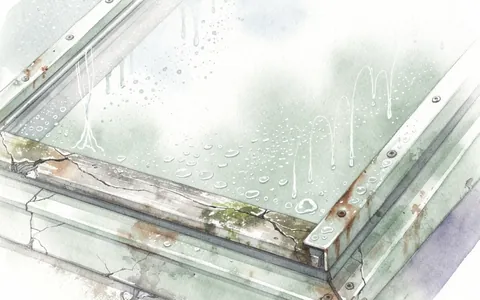
Then the answer is to replace it with a better unit. See misted and failed rooflight replacement and signs a rooflight has failed for how to tell, and to choose like for like or an upgrade.

Get a quote

Tell us about the room

  • No obligation
  • Quiet spec included
  • 10-year guarantee

Prefer to message? WhatsApp us or call 01293 974093, or email info@clearskylightscrawley.co.uk.