Surrey · 26.3 miles from Crawley by road

Rooflights and skylights in Great Bookham, between the commons and the Downs

Great Bookham lies at the foot of the North Downs, ringed by commons and woodland, with the A246 running through it. We fit rooflights and skylights to the roof we find, then write down the glass we chose for the noise the room hears.

Get a quote What is a quiet spec?

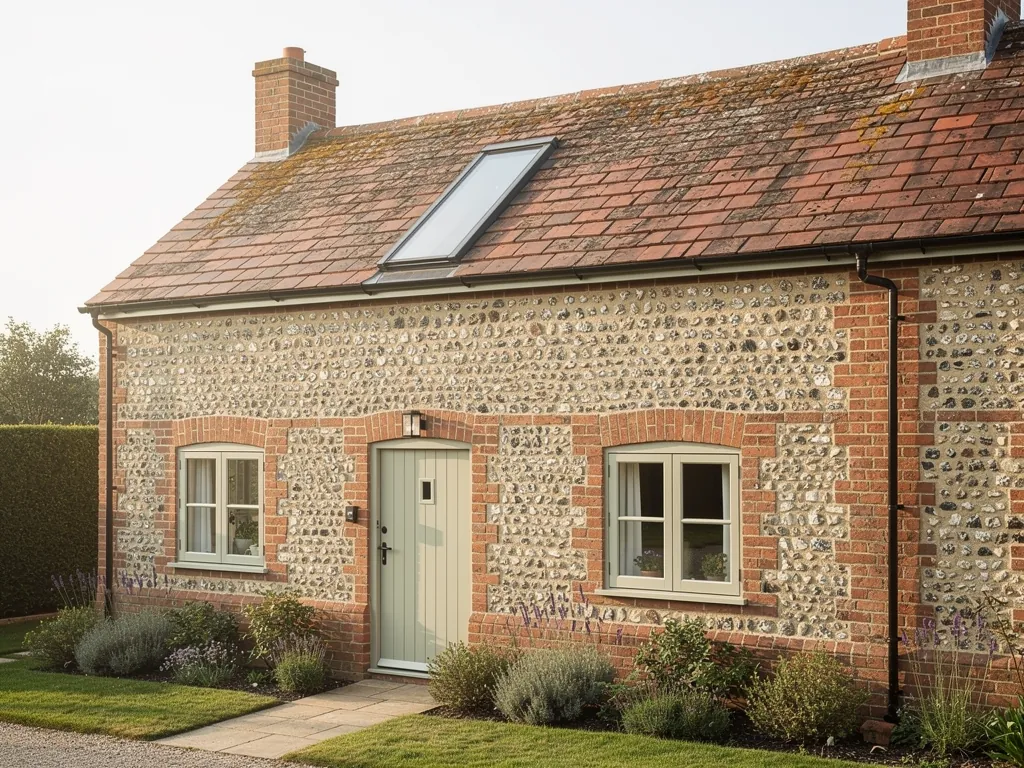
A flint and brick cottage in a South Downs village with a clay tile roof
Planning
Mole Valley District Council, Surrey
Population
11,375 across Bookham North and South wards in 2011
Protection
Appraised conservation area; 26 across the district
Setting
Spring line, North Downs, commons, A246, station

Woodland edges, a road to Guildford and an appraised village core

  • The A246 through the village

    The direct road between Leatherhead and Guildford sends steady traffic sound toward road-side loft rooms, where thin glass lets it in.

  • Trains at Church Road

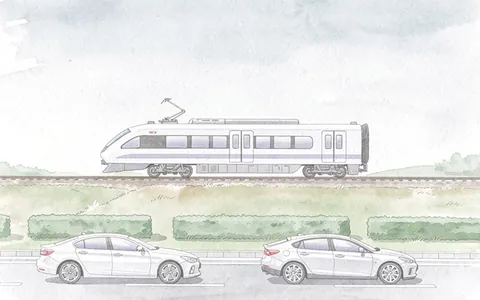
    Bookham station brings rail sound to streets near it, and worn gaskets on an old unit pass it straight into the room.

  • An appraised old centre

    Mole Valley wrote a conservation area appraisal in 2011, so we look up the boundary against your own house before drawing an opening.

  • Flat glass under the trees

    Commons and woodland drop leaves and rain onto flat roofs, so kerb height, fall and pane thickness are chosen together.

A loft bedroom near Church Road, set down in writing

One way a Great Bookham bedroom might read on paper. A real quote brings a spec of its own, written after a visit and a listen.

Room:
loft bedroom in a village house within earshot of the station and the A246
What we would listen for:
the A246 hum, trains by the station and showers on the slope
Glazing:
a laminated pane inside, a thicker or thinner pane outside, and a generous sealed gap between
Seals and upstand:
unbroken gaskets on the opening light, a kerb or flashing to suit the roof, reveals lined and finished

Noise out hereStill in here

The survey file

Rooflights in Great Bookham

Great Bookham sits where the Surrey commons and woodland meet the foot of the North Downs, and a rooflight installation here is shaped by that setting as much as by the house. The village has a conservation area with its own written appraisal, a busy road to Guildford, a railway station on Church Road and a great many private roofs behind hedges. This page takes the job in the order a survey does: the place, the roof, the protection question, the noise, the glass, and the day the work is done. We use the words rooflight and skylight for the same idea, a window set into a roof, and we specify each one for the room under it.

Village on the spring line

A spring-line village between the commons and the Downs

Houses gather where water once left the hill, and the trees around them shape the light a rooflight gets.

Bookham is a spring-line settlement. The North Downs rise to the south-east, and the village is surrounded by commons and woodland. Houses gather where the water once came out of the hill, and that old pattern still decides how the place feels today.

The 2011 census recorded 11,375 people across the Bookham North and South wards, which cover Great and Little Bookham together. That is a large village by any measure. Its civil parish was abolished on 1 April 1974, and Mole Valley District Council has handled its planning matters since then. The two Bookhams share a station, a shopping street and a good deal of tree cover.

Trees matter to a rooflight more than people expect. Woodland at the edge of a garden can shade a south-facing roof in the afternoon, drop leaves and needles onto flat glass, and change the quality of the light that reaches a loft room. When we plan a skylight here we look at what stands around the house before we decide where to cut. A bright opening facing a dense oak is not the same as the same opening facing open sky.

Great Bookham in numbers

  • 11,375People in the Bookham wardsThe 2011 census count across Bookham North and South, covering both villages.
  • 1 April 1974Civil parish abolishedMole Valley District Council has handled planning since then.
  • 26.3Road miles from CrawleyAn ordinary survey visit, well inside the area we cover.

Great Bookham is about 26.3 road miles from Crawley, well inside the thirty miles we cover. A survey here is an ordinary visit. We stand in the room, go up into the roof space, look at the covering from outside where it is safe to do so, and listen to what the room hears. What we hear goes into the quiet spec that comes with every quote.

NextWhat the loft tells us before anything is cut

Reading the loft

What the loft tells us before anything is cut

Every job starts in the roof space, because Bookham holds homes of many kinds and no single type can be assumed.

Every job begins in the roof space. We make no assumption about a single house type for Bookham, because the village holds homes of many kinds. The survey finds out what is actually there.

Three things decide how a skylight goes into a pitched roof.

  • The structure: cut rafters that can take a new opening framed with trimmers, or factory trusses where any cut member must first be supported.
  • The covering: clay tile, concrete tile, slate or stone, each with its own lap, weight and flashing kit.
  • The layers beneath: old felt, a modern breathable membrane, insulation between the rafters, and how each will be dressed round the new frame.

A house that has been extended over the years may have more than one roof structure under a single ridge line. The original part might be cut timber, while a later addition uses trusses. A rooflight that suits one half may need a different opening method in the other. That is why we look at both before quoting a size.

For a sloping roof the usual choice is a roof window, which sits in line with the covering and can open to let air through. For an extension with a flat roof, the answer is a kerb-mounted unit, covered under flat roof rooflight installation. Both are called a skylight in everyday speech. They are different products, they age differently, and the glazing is chosen differently for each.

NextReading the conservation area appraisal for your address

The appraisal

Reading the conservation area appraisal for your address

Mole Valley's own appraisal says what it wants protected, and it is the first place we send owners near the old centre.

Mole Valley produced a Great Bookham Conservation Area Appraisal and Management Plan in 2011, and a separate one for Little Bookham the same year. These documents are the council's own description of what it wants to protect, and they are the first place we send an owner who lives near the old centre.

The district has 26 conservation areas in total, so the planning team deals with this question regularly and publishes its guidance openly. The council's conservation areas pages list them and explain what designation means.

Whether your own roof falls inside the boundary is something we check for the address, never guess from the street name. Two houses on the same road can be on either side of a line. If the house is inside, a roof slope that faces a public road is the part most likely to need care, and a rear slope usually raises fewer concerns. The first step is a planning question before it is a building one.

Checking a protected address

  1. 01Read the 2011 appraisalThe council's own description of what it wants to protect.
  2. 02Check the boundary for the addressNever guessed from the street name.
  3. 03Think about the slopeA slope facing a public road needs the most care. A rear slope usually raises fewer concerns.
  4. 04Choose a flush unitA slim frame and low profile sits closer to the roof plane.

When a house is protected, the choice of product narrows. A flush-fitting unit with a slim frame and a low profile sits closer to the roof plane, and our page on conservation rooflight installation explains how those units are built and why they suit older roofs. Our guide to planning permission for rooflights and skylights covers the wider rules for homes outside any designation.

NextOld houses in the parish and what they ask of a new opening

Roofs with history

Old houses in the parish and what they ask of a new opening

The parish has layers of building, and the older layers have rules of their own.

Bookham Grove Manor dates from the early eighteenth century. Polesden Lacey, now in the care of the National Trust, is a seventeenth-century house that was remodelled in the early 1900s. Neither is a place where a homeowner would fit a rooflight, but they tell you something about the parish: it has layers of building, from the very old to the recent, and the older layers have rules of their own.

A smaller house with old timbers in its roof presents the same questions on a smaller scale. Old rafters may not be evenly spaced. Sarking may be missing. The covering may be hand-made tile that cannot be replaced like for like if it is disturbed. In that kind of roof we work slowly, lift the tiles carefully, store them flat, and relay them around the new flashing.

A listed building is a different case again. It needs its own consent before any work starts, and consent is for the owner and the council to settle. We are happy to talk through the practical side of a proposed opening, but the legal route runs through Mole Valley.

What an old roof can present

  • Uneven rafters Old rafters may not be evenly spaced.
  • Missing sarking It may simply not be there.
  • Hand-made tile It cannot be replaced like for like if disturbed, so tiles are lifted carefully and relaid.
  • A listed building It needs its own consent before any work starts.

For any roof that carries history, the glazing follows the same principle as everywhere else. The room under it decides the build. A bedroom wants one specification and a cold store room wants another. What the roof gives us is a set of limits, and we design inside them.

NextThe A246, the station and the noise that reaches a loft

Road and rail noise

The A246, the station and the noise that reaches a loft

Traffic on the A246 and trains from Church Road reach a loft room through thin glass and worn seals.

The A246 is the direct road between Leatherhead and Guildford, and it runs through Great Bookham. Road noise travels upward as well as sideways, and a loft room on the road side of the house can hear it through thin glass, worn seals or a poorly fixed frame. Bookham station on Church Road adds the sound of trains to the list, and a rooflight facing the railway takes that sound with it.

We do not quote noise figures. We describe quiet by specification, which is what a homeowner can actually check on the paper. The table below sets out how each source is usually handled.

Steady traffic hum

Source
A246
What we specify
Laminated inner pane
Why
Laminate damps steady sound

Passing trains

Source
Station side
What we specify
Unequal pane thickness
Why
Two thicknesses resist different pitches

Rain on flat glass

Source
Any extension
What we specify
Thicker outer pane
Why
A heavier pane rings less

A rattle or whistle

Source
Tired seals
What we specify
Continuous gaskets
Why
Air gaps carry sound
What you hearSourceWhat we specifyWhy
Steady traffic humA246Laminated inner paneLaminate damps steady sound
Passing trainsStation sideUnequal pane thicknessTwo thicknesses resist different pitches
Rain on flat glassAny extensionThicker outer paneA heavier pane rings less
A rattle or whistleTired sealsContinuous gasketsAir gaps carry sound

Our guides on keeping road and rail noise out through a rooflight and reducing rain noise under a flat rooflight go through each of these in more detail.

NextWhich unit suits which room in a village house

Unit for the room

Which unit suits which room in a village house

We start with the use of the room, then the size of the opening, then the glass.

A village this size has every sort of room that might want more daylight, and each asks for something different. We start with the use of the room, then the size of the opening, then the glass.

A loft bedroom is the classic request. It wants a sloping roof window that opens, a blind to cut the morning light, and glass that keeps the room hushed at night. Side-hung and top-hung units behave differently when open, so we talk through how you will actually use it.

A kitchen extension with a flat roof is a different brief. Here the goal is often a large fixed rooflight or a roof lantern over the table, which brings light deep into a room that has only one wall of glazing. A larger span of glass means a greater need for thick panes and a properly fixed kerb. Our page on roof lantern installation sets out the options.

What each room asks of the glass

  • Loft bedroomA sloping roof window that opens, a blind for the morning, and glass that keeps the night hushed.
  • Kitchen extensionA large fixed rooflight or lantern, with thick panes and a properly fixed kerb.
  • Home officeSteady light without glare, placed above and behind the desk.
  • NurseryQuiet above everything else, so the glazing specification leans that way.
  • Landing or bathroomA tubular sun tunnel brings daylight with far less disruption to the roof.

A home office needs steady light without glare on a screen. A skylight placed above and behind the desk usually works better than one directly overhead. A nursery needs quiet above everything else, and the glazing specification leans that way.

A landing, hall or windowless bathroom is a place where a small unit makes a large difference, and there we sometimes suggest a tubular sun tunnel in place of a full window. It brings in daylight with far less disruption to the roof and the ceiling below.

NextWoodland, shade and choosing where the light lands

Trees and light

Woodland, shade and choosing where the light lands

Tree cover is part of the design here, and it changes how large an opening should be and what it should do.

Because Bookham is ringed by commons and woodland, tree cover is part of the design of a rooflight. A few points come up at a survey.

A roof that faces a stand of mature trees may get broken light, strong in winter when the leaves are off and dim in summer when they are on. That argues for a slightly larger opening, so the room has enough light at the dullest time. A roof that is shaded for part of the day can often do well with a unit that opens, since the room may run cool and damp more easily than one in full sun.

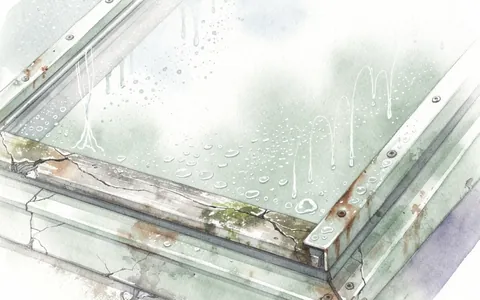
Leaf litter on flat glass is a matter for the kerb and the fall. A rooflight set on a kerb of the right height sheds water and debris better than one set too low. The roof around it needs a fall that carries water away, and a fall of 1:80 is the least we would look for on a flat roof. A lower fall leaves water standing, which ages the membrane and the seals.

What the trees change

  • Broken lightStrong in winter and dim in summer, which argues for a slightly larger opening.
  • Part-day shadeA unit that opens helps a room that may run cool and damp.
  • Leaf litterA kerb of the right height and a fall of 1:80 on a flat roof shed water and debris.
  • Position firstWhere the opening goes matters more than how big it is.

Our guides to where to position a skylight and how to size a rooflight for the room give the reasoning in full. The practical point is that position comes first. A well placed opening of modest size often beats a large one put in the wrong place.

NextBuilding Regulations, Building Control and the work itself

Rules and the day

Building Regulations, Building Control and the work itself

We install to current Building Regulations, and the day always runs in the same order.

A rooflight is a controlled fitting. The glazing has to meet the thermal standard in Approved Document L, the opening has to keep a safe means of escape where it serves a room that needs one, and the structure around it has to carry its load. Ventilation, under Approved Document F, is part of the picture for a habitable room. Where a new opening is cut into a roof, the structural Approved Document A may also apply to the trimming.

We install to current Building Regulations. Where the work is notifiable, we handle the Building Control notification, so the owner is not left to chase the paperwork. Our guide to Building Regulations for rooflights explains which jobs are notifiable and which are not.

On the day, the order is always the same. Floors and furniture are covered. The opening is marked from inside and checked against the survey. The covering is lifted, the structure is framed, and the unit is fixed and flashed. Inside, the reveals are lined and made good, and the room is left tidy. The work carries our ten-year workmanship guarantee, which is a workmanship guarantee and not an insurance-backed one. You can read the terms on the guarantee page.

The day of the work

  1. 01Cover floors and furnitureEverything below the opening is protected first.
  2. 02Mark the openingFrom inside, checked against the survey.
  3. 03Lift and frameThe covering is lifted and the structure is framed.
  4. 04Fix and flashThe unit goes in and is flashed.
  5. 05Line and tidyReveals are lined and made good, and the room is left tidy.

NextBookham questions: the A246 bedroom, the old centre and the Leatherhead edge

Common questions

Bookham questions: the A246 bedroom, the old centre and the Leatherhead edge

Answers on A246 noise, conservation boundaries, the two words and the neighbouring villages.

The questions below are the ones a homeowner in this part of Mole Valley tends to raise first.

Will a rooflight make a bedroom on the A246 side noisier?

Not if it is specified for that. A laminated inner pane, panes of different thickness, a wide sealed cavity and continuous gaskets all cut what reaches the room. A badly chosen unit in the same place would let more through than the roof did before. The written quiet spec records the choice.

How do I find out if my house is in the conservation area?

Ask Mole Valley, or let us check the address as part of the survey. The council publishes its appraisal for Great Bookham, and the boundary is drawn on the plan in it. Do not rely on the look of the street, because a boundary can run between neighbours.

Is a skylight the same as a rooflight?

In everyday use, yes. Some people say skylight for a sloping roof window and rooflight for a flat or kerb-mounted one. We use both words, and our note on what the two words mean sets out the difference.

Do you cover the neighbouring villages?

We do, and Leatherhead sits close by. Our page on rooflights and skylights in Leatherhead covers that end of the A246.

How do I get started?

Use the quote form on this page, or send a message on WhatsApp. Tell us the room, the roof type if you know it and the address. We will arrange a survey and, from it, a quote with the quiet spec attached. The Crawley page shows the full range of what we install.

Get a quote

Tell us about the room

  • No obligation
  • Quiet spec included
  • 10-year guarantee

Prefer to message? WhatsApp us or call 01293 974093, or email info@clearskylightscrawley.co.uk.